
Cardiac Regeneration: MSC Therapy’s Role in Heart Muscle Recovery
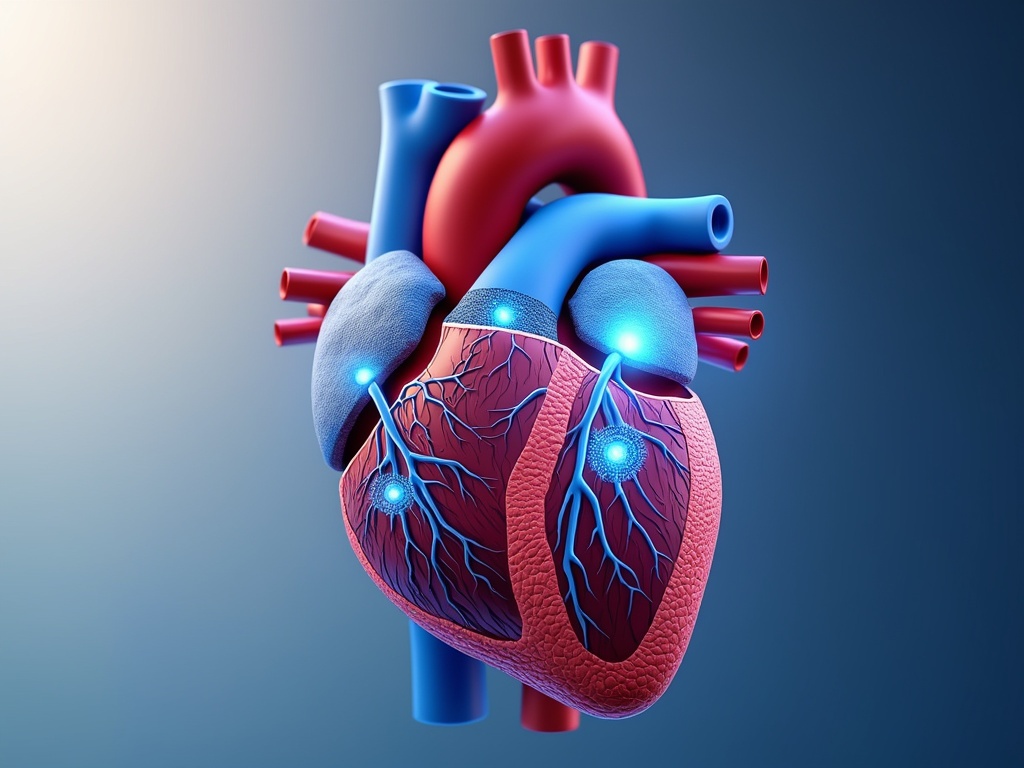
Cardiac Tissue Recovery: Understanding MSC Mechanisms in Heart Muscle Regeneration
Understanding Heart Muscle Damage
Heart muscle damage represents a significant health challenge affecting millions worldwide. This damage can occur through various mechanisms, each with profound implications for heart function and patient quality of life.
The heart’s muscle tissue, known as myocardium, can become damaged through several pathways:
- Myocardial infarction (heart attack) – where blood supply to a portion of heart muscle is suddenly blocked
- Cardiomyopathy – diseases affecting the heart muscle structure
- Inflammatory conditions like myocarditis
- Progressive damage from long-term conditions like hypertension
- Natural aging processes that reduce cellular function
Unlike some tissues in the body, the heart has extremely limited natural regenerative capacity. When heart muscle cells (cardiomyocytes) die, they are typically replaced with non-contractile scar tissue rather than new functioning muscle. This fundamental limitation creates a cascade of problems that conventional medicine struggles to address effectively.
The formation of scar tissue following heart damage creates both structural and functional challenges. Scar tissue lacks the contractile abilities of healthy heart muscle, reducing the heart’s pumping efficiency. Additionally, this rigid tissue can interfere with the heart’s electrical conduction system, potentially leading to arrhythmias and further complications.
The impact of this damage extends far beyond the heart itself. As cardiac function declines, patients often experience:
- Reduced exercise tolerance and physical capacity
- Shortness of breath, especially during activity
- Fatigue and weakness
- Fluid retention in the lungs and extremities
- Significant decline in overall quality of life
The Science Behind Heart Muscle Repair
The natural healing process following heart muscle damage involves a complex cascade of events that, unfortunately, prioritizes structural stability over functional restoration. Understanding these mechanisms provides insight into both the limitations of natural recovery and the potential for therapeutic intervention.
When heart tissue experiences damage, the body initiates an inflammatory response aimed at clearing cellular debris and preparing the area for repair. This inflammation serves essential protective functions but can also cause collateral damage to surrounding healthy tissue if it persists too long or becomes too intense. The balance of this inflammatory process significantly influences the ultimate outcome of the healing process.
Blood supply plays a critical role in cardiac recovery. Key aspects include:
- Existing blood vessels may be compromised in damaged areas
- Formation of new blood vessels (angiogenesis) is essential for healing
- Adequate circulation delivers oxygen and nutrients necessary for cellular repair
- Blood flow helps remove metabolic waste products from healing tissues
The cellular repair process in heart tissue follows a relatively predictable pattern. Initially, inflammatory cells infiltrate the damaged area to remove dead tissue and cellular debris. This is followed by the proliferation of fibroblasts, cells that produce collagen and other components of scar tissue. While this scar formation provides structural integrity, it lacks the contractile properties of the original heart muscle.
These natural healing mechanisms, while preserving the heart’s structural integrity, ultimately result in compromised function. The scar tissue that replaces damaged heart muscle doesn’t contract like healthy cardiac tissue, leading to reduced pumping efficiency. This limited regenerative capacity presents a fundamental challenge that traditional treatments struggle to overcome.
How Stem Cells Support Heart Recovery
Mesenchymal stem cells (MSCs) offer a promising approach to cardiac regeneration through multiple sophisticated mechanisms that work synergistically to promote healing. Rather than simply replacing damaged cells, these remarkable cellular therapies orchestrate a comprehensive repair response that addresses several aspects of cardiac injury simultaneously.
One of the most significant ways MSCs support heart recovery is through promoting angiogenesis—the formation of new blood vessels. This process is critical because:
- New blood vessels improve oxygen and nutrient delivery to damaged areas
- Enhanced circulation supports the metabolic needs of healing tissue
- Better blood flow helps remove waste products from the injury site
- Improved vascularization supports long-term tissue viability
MSCs demonstrate remarkable anti-inflammatory properties that help modulate the body’s response to injury. Excessive inflammation can further damage cardiac tissue, while insufficient inflammatory response may impair proper healing. MSCs help achieve the optimal balance by secreting factors that regulate immune cell behavior, reducing harmful inflammation while preserving beneficial aspects of the immune response.
Beyond promoting new blood vessel growth and modulating inflammation, MSCs provide direct protection to existing heart cells through several mechanisms:
- Secretion of cytoprotective factors that prevent cell death
- Release of antioxidants that combat oxidative stress
- Production of growth factors that support cellular resilience
- Creation of an environment that supports cellular metabolism
The regenerative effects of MSCs extend beyond their direct actions. These cells release extracellular vesicles containing microRNAs, proteins, and other bioactive molecules that can influence the behavior of native cardiac cells. This paracrine signaling helps activate the heart’s own limited repair mechanisms and may stimulate resident cardiac stem cells to participate in the healing process.
Wharton’s jelly-derived MSCs, which are harvested from umbilical cord tissue, offer particular advantages for cardiac applications. These young cells demonstrate enhanced regenerative potential compared to MSCs from adult sources, with greater proliferative capacity and more robust secretion of beneficial factors. Their immune-privileged status also reduces concerns about rejection, making them especially suitable for cardiac regenerative applications.
Treatment Approaches for Heart Muscle Recovery
Conventional treatments for heart damage have traditionally focused on managing symptoms and preventing disease progression rather than addressing the underlying tissue damage. These approaches typically include medications to reduce heart workload, control rhythm disturbances, and manage related conditions like hypertension. While valuable for symptom management, these treatments generally cannot restore damaged heart tissue or significantly improve the heart’s pumping efficiency.
Advanced regenerative options represent a paradigm shift in addressing cardiac tissue damage. Rather than merely managing symptoms, these approaches aim to activate the body’s natural repair mechanisms to restore tissue function. Stem cell therapy stands at the forefront of these regenerative approaches, offering multiple mechanisms to support cardiac recovery:
- Secretion of growth factors that stimulate repair processes
- Modulation of inflammation to create an optimal healing environment
- Support for new blood vessel formation to improve circulation
- Protection of existing cardiac cells from further damage
- Potential reduction in scar tissue formation
Wharton’s jelly-derived MSCs offer distinct advantages for cardiac applications compared to other stem cell sources. These cells, harvested from umbilical cord tissue, demonstrate enhanced regenerative properties due to their young biological age and unique secretory profile. Their immune-privileged nature reduces concerns about rejection, while their robust proliferative capacity allows for sufficient therapeutic dosing. These characteristics make them particularly suitable for addressing the complex challenges of cardiac tissue regeneration.
The Stem Cell Medical Center offers specialized protocols for cardiac conditions utilizing these premium-quality Wharton’s jelly-derived MSCs. Treatment typically involves comprehensive evaluation to determine suitability, followed by carefully planned administration protocols designed to maximize therapeutic benefit. The center’s approach combines cellular therapy with lifestyle optimization strategies to create an integrated treatment plan that addresses multiple aspects of cardiac health.
The center’s advanced facilities include an ISO-certified cleanroom environment for cell processing and sophisticated flow cytometry technology for quality assurance. This infrastructure ensures that each treatment utilizes cells that meet rigorous standards for identity, purity, and potency—critical factors for treatment efficacy and safety. The medical team’s expertise in both regenerative medicine and cardiovascular health allows for personalized treatment approaches that address each patient’s specific needs.
Measuring Treatment Success
Evaluating the success of regenerative treatments for cardiac conditions involves a multifaceted approach that considers both objective measurements and subjective patient experiences. This comprehensive assessment provides a more complete picture of recovery than any single metric alone.
Several key measurements help track improvements in heart function following regenerative treatment:
- Ejection fraction – the percentage of blood pumped from the ventricle with each contraction
- Stroke volume – the amount of blood pumped with each heartbeat
- Wall motion – the movement and contractility of heart muscle segments
- Heart dimensions – changes in chamber size that may indicate improved remodeling
- BNP levels – blood markers that can indicate heart failure severity
Beyond these objective measurements, quality of life improvements represent equally important indicators of treatment success. Many patients report significant enhancements in their daily functioning and overall wellbeing, even when objective measurements show more modest changes. These improvements may include increased exercise tolerance, reduced fatigue, decreased shortness of breath, and greater ability to perform daily activities.
The recovery timeline following regenerative treatment typically unfolds gradually over weeks to months. Initial improvements often manifest as subtle changes in energy levels or reduced symptoms during light activity. More substantial functional improvements generally develop over a longer period as cellular repair processes progress. This gradual timeline reflects the biological nature of regenerative healing, which involves complex cellular processes rather than the immediate effects typically seen with pharmaceutical interventions.
Long-term outcomes following regenerative treatment may continue to evolve for months after the initial therapy. Some patients experience continued improvement over extended periods as regenerative processes progress. Regular follow-up evaluations help track these ongoing changes and may guide recommendations for supportive therapies or lifestyle modifications to maximize treatment benefits.
Several factors influence individual responses to regenerative treatment. These include:
- Age and overall health status
- Severity and duration of cardiac damage
- Presence of contributing conditions like diabetes or hypertension
- Lifestyle factors including nutrition, exercise, and stress management
- Adherence to recommended supportive therapies
For more information or to schedule a consultation, contact the Stem Cell Medical Center at 1-352-320-2688 (US) or 1-268-720-7070 (Antigua). Visit www.stemcellmedicalcenter.com to learn more about treatments available at their facility on Friars Hill Road, St John’s, Antigua.
Frequently Asked Questions (FAQs)
How do mesenchymal stem cells actually help repair damaged heart tissue?
MSCs support heart repair through multiple mechanisms rather than simply replacing damaged cells. They secrete growth factors that stimulate the formation of new blood vessels, reduce harmful inflammation, protect existing heart cells from death, and may help reduce scar tissue formation. This multifaceted approach creates an environment conducive to natural healing processes and tissue regeneration.
Is stem cell therapy for heart conditions safe?
MSC therapy has demonstrated a strong safety profile in clinical studies. The cells used are thoroughly tested for quality and purity before administration. Wharton’s jelly-derived MSCs are particularly well-tolerated due to their immune-privileged nature, which minimizes risk of rejection. As with any medical procedure, a thorough evaluation is conducted to determine individual suitability and identify any potential contraindications.
How do Wharton’s jelly-derived MSCs specifically target damaged heart tissue after infusion?
Mesenchymal stem cells possess a natural ability to respond to chemical signals released by damaged or inflamed tissues, a process known as “homing.” When administered intravenously, these cells can detect and migrate toward areas of cardiac injury through their response to specific inflammatory markers and growth factors. This targeted movement allows the MSCs to concentrate their regenerative effects where they are most needed.
What role does the ISO 14644-1 certified cleanroom play in ensuring treatment safety and efficacy?
The ISO 14644-1 certified cleanroom is essential for maintaining the purity and viability of cultured stem cells by providing an ultra-clean environment with strictly controlled air quality, temperature, humidity, and pressure. This certification ensures that the air contains minimal particles and contaminants, which is crucial when expanding and preparing cells for therapeutic use. The cleanroom environment helps maintain the biological properties of the MSCs while preventing any potential contamination that could affect treatment safety or efficacy.
How does the center determine the optimal number of stem cell passages for cardiac treatments?
The center limits cell expansion to a maximum of three passages to maintain optimal therapeutic potency while achieving sufficient cell numbers for treatment. This limitation is based on extensive research showing that MSCs can begin to lose some of their regenerative properties and undergo cellular aging with excessive passaging. The three-passage maximum helps ensure that the cells retain their full regenerative potential, including their ability to secrete beneficial growth factors and modulate immune responses.
Could stem cells change your life?
Contact us and schedule a consultation to see if you may benefit from regenerative treatments. Stem cell therapy could alleviate your pain and help you regain mobility.