
Energy at the Cellular Level: How MSCs Support Vitality in Aging
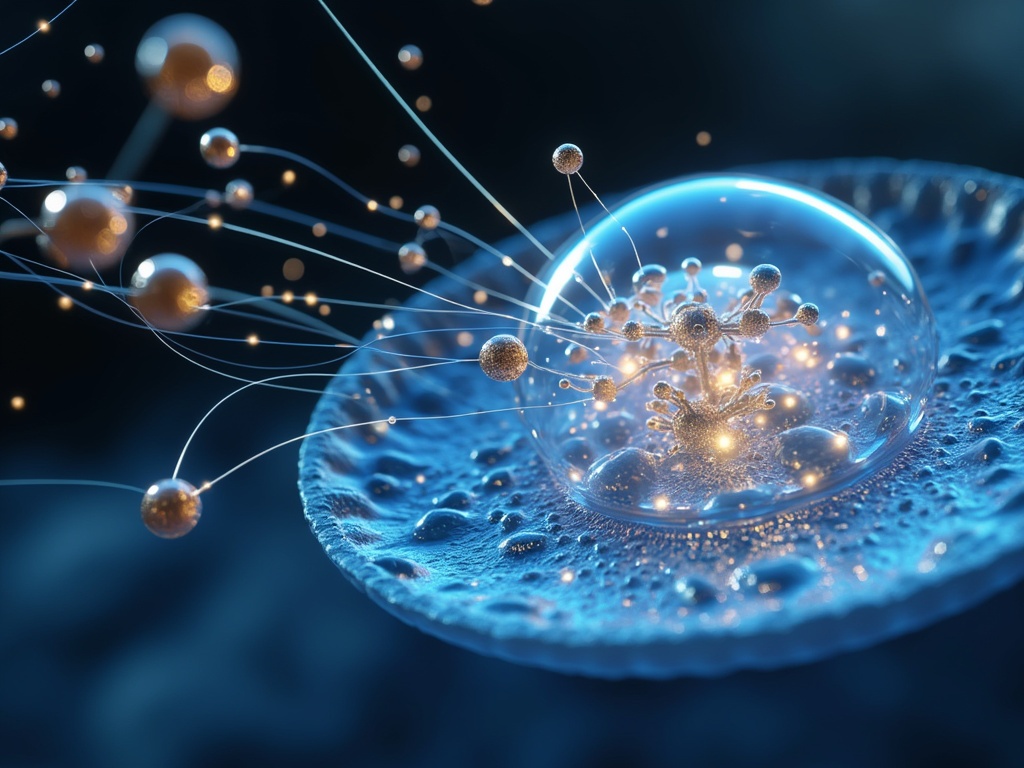
Energy at the Cellular Level: How MSCs Support Vitality in Aging
Understanding Cellular Energy and Aging
The gradual decline in energy and vitality many experience with aging isn’t simply an inevitable consequence of time—it reflects profound changes occurring at the cellular level. While conventional medicine often attributes fatigue and reduced stamina to “normal aging,” cutting-edge regenerative approaches now offer deeper insights into these fundamental processes. At their core, these changes involve the microscopic powerhouses within our cells that generate the energy needed for every bodily function, from basic metabolism to complex cognitive tasks.
Cellular energy production occurs primarily in specialized structures called mitochondria—often referred to as the “powerhouses of the cell.” These tiny organelles convert nutrients from food into adenosine triphosphate (ATP), the universal energy currency that powers virtually every cellular function. This complex process involves several key steps:
- Glucose and fatty acids enter the cellular energy production cycle
- A series of chemical reactions breaks down these molecules in the presence of oxygen
- Energy is captured in the form of ATP molecules
- ATP is distributed throughout the cell to power essential functions
As we age, this sophisticated energy production system becomes progressively less efficient. The number and function of mitochondria decline, reducing the cell’s ability to generate adequate ATP. Additionally, aging cells accumulate damage from various sources, further compromising their energy-producing capabilities. This cellular energy decline manifests in numerous ways that impact quality of life:
- Persistent fatigue that doesn’t resolve with rest
- Decreased physical stamina and exercise tolerance
- Slower recovery from physical exertion
- Reduced cognitive energy and mental focus
- Diminished ability to manage stress effectively
The Cellular Power Crisis: Why Energy Declines with Age
The age-related decline in cellular energy production isn’t simply a matter of “wearing out” over time—it involves specific biological mechanisms that progressively impair our cells’ ability to generate and utilize energy efficiently. Understanding these mechanisms provides valuable insights into how regenerative approaches might help restore more youthful energy levels.
Mitochondrial dysfunction stands as perhaps the most significant factor in age-related energy decline. These cellular powerhouses become less efficient and fewer in number as we age, reducing our overall capacity to produce ATP. Several processes contribute to this mitochondrial deterioration:
- Accumulated mutations in mitochondrial DNA from years of energy production
- Declining efficiency of the electron transport chain—a key component of energy generation
- Reduced mitochondrial biogenesis (the creation of new mitochondria)
- Impaired mitochondrial quality control mechanisms that normally remove damaged mitochondria
Oxidative stress plays a central role in accelerating cellular energy decline. As mitochondria produce energy, they naturally generate reactive oxygen species (free radicals) as byproducts. These highly reactive molecules can damage cellular components, including the mitochondria themselves, creating a vicious cycle of increasing damage and decreasing energy production. While younger cells maintain robust antioxidant systems to neutralize these free radicals, these protective mechanisms become less effective with age.
DNA damage accumulates throughout life, affecting both nuclear and mitochondrial DNA. Since mitochondria contain their own DNA that encodes critical proteins for energy production, damage to this genetic material directly impacts cellular energy generation. As repair mechanisms become less efficient with age, this damage accumulates, leading to increasingly compromised mitochondrial function and reduced ATP production capacity.
Mesenchymal Stem Cells: Natural Energy Restorers
Mesenchymal stem cells (MSCs) represent a cornerstone of modern regenerative medicine, functioning as specialized cells with remarkable abilities to support the body’s natural healing processes. Unlike other cells with fixed functions, MSCs possess the unique capacity to influence multiple repair mechanisms simultaneously. When introduced to the body, these cells can respond to the specific microenvironment they encounter, releasing targeted growth factors, cytokines, and exosomes—tiny communicating vesicles that deliver regenerative instructions to neighboring cells.
One of the most fascinating capabilities of MSCs is mitochondrial transfer—the process through which these cells can donate healthy, functioning mitochondria to cells with compromised energy production. This remarkable ability allows for direct cellular “recharging” in tissues affected by age-related decline or disease processes. This mitochondrial transfer occurs through several mechanisms:
- Formation of tunneling nanotubes that connect MSCs to recipient cells
- Release of mitochondria-containing microvesicles that are absorbed by energy-depleted cells
- Direct cell-to-cell contact that facilitates mitochondrial exchange
MSCs demonstrate powerful cellular repair mechanisms that extend beyond mitochondrial transfer. These cells secrete a complex array of growth factors, anti-inflammatory compounds, and signaling molecules that create an environment conducive to cellular rejuvenation. This secretome—the complete set of factors released by the cells—helps activate resident stem cells, reduce harmful inflammation, and stimulate natural repair processes throughout the body.
The anti-inflammatory effects of MSCs provide another significant benefit for cellular energy restoration. Chronic, low-grade inflammation is a hallmark of aging (sometimes called “inflammaging”) and significantly impairs mitochondrial function. MSCs help modulate this inflammatory environment through multiple pathways:
- Shifting immune cell populations from pro-inflammatory to anti-inflammatory profiles
- Reducing the production of inflammatory cytokines that damage cellular energy systems
- Promoting the release of specialized resolving mediators that actively terminate inflammation
- Supporting tissue repair to remove sources of ongoing inflammatory signals
Wharton’s Jelly MSCs: Powerful Energy Support
At the Stem Cell Medical Center, we utilize Wharton’s jelly-derived MSCs, which offer distinct advantages over stem cells collected from adult tissues like bone marrow or adipose (fat) tissue. These cells are harvested from the gelatinous substance surrounding blood vessels in umbilical cords—tissue that would otherwise be discarded after healthy births. This source provides cells that are immunologically privileged, meaning they can be administered without triggering rejection responses in recipients, regardless of tissue matching.
The source advantages of Wharton’s jelly MSCs make them particularly valuable for energy restoration treatments. Unlike adult-derived stem cells that have been exposed to years of environmental toxins, stress, and the aging process itself, these cells come from newborn tissue and possess several key characteristics:
- Lower accumulation of DNA damage and cellular waste products
- Minimal exposure to environmental toxins that can compromise cellular function
- No history of chronic inflammatory conditions that may alter cellular behavior
- Higher telomerase activity, which helps maintain cellular youth and vitality
The enhanced potency of Wharton’s jelly MSCs refers to their superior regenerative capabilities compared to MSCs from adult sources. Research indicates these cells demonstrate higher expression of pluripotency markers—indicators of increased versatility and regenerative potential. They also show enhanced proliferation capacity and greater secretion of beneficial growth factors and cytokines that support cellular energy restoration.
The regenerative capabilities of these cells extend beyond basic cellular support to include specialized functions particularly relevant to energy restoration. They demonstrate superior ability to transfer healthy mitochondria to energy-depleted cells, more effective modulation of oxidative stress, and enhanced promotion of angiogenesis (new blood vessel formation) that improves oxygen and nutrient delivery to tissues—all critical factors in supporting cellular energy production throughout the body.
Treatment Approaches for Cellular Energy Restoration
Modern therapeutic approaches for age-related energy decline have evolved significantly beyond conventional treatments that typically address only symptoms. Regenerative medicine now offers innovative options that target the fundamental cellular mechanisms behind diminished vitality. Mesenchymal stem cell therapy stands at the forefront of these advanced approaches, working directly at the cellular level to support energy production systems rather than merely masking the symptoms of fatigue.
The administration of MSCs typically follows a personalized treatment protocol developed after thorough assessment of the individual’s specific energy-related concerns. For addressing systemic energy decline, intravenous infusion represents the primary delivery method, allowing these regenerative cells to circulate throughout the bloodstream and reach tissues throughout the body. During this minimally invasive procedure, the prepared stem cells are carefully introduced into the circulation, where they can detect and respond to signals from tissues experiencing energy deficits or damage.
Research indicates that MSCs may help restore cellular energy through several key mechanisms:
- Transfer of healthy mitochondria to energetically compromised cells
- Release of compounds that reduce oxidative stress and protect mitochondrial function
- Support for the development of new blood vessels to improve oxygen and nutrient delivery
- Modulation of chronic inflammation that impairs cellular energy production
- Stimulation of cellular repair processes that enhance metabolic efficiency
The Stem Cell Medical Center in Antigua specializes in utilizing Wharton’s jelly-derived MSCs for energy restoration treatments, which are prepared in an ISO-certified cleanroom facility. Their protocol begins with comprehensive assessment of each patient’s condition, considering factors such as overall health status, specific energy-related concerns, and existing medical conditions. The center’s specialists then develop an individualized treatment plan, determining optimal dosing and delivery methods for maximum potential benefit.
Quality control measures, including advanced flow cytometry analysis, verify the identity, purity, and viability of all cells before administration. This attention to both personalization and stringent quality standards helps ensure that each patient receives treatment specifically tailored to address their unique cellular energy needs and overall health goals.
Supporting Cellular Energy Through Lifestyle
While regenerative treatments offer powerful support for cellular energy systems, their effectiveness can be significantly enhanced through complementary lifestyle approaches. Proper nutrition plays a fundamental role in supporting mitochondrial function and overall cellular health. A diet rich in specific nutrients can directly support energy production mechanisms:
- Antioxidant-rich fruits and vegetables that protect mitochondria from oxidative damage
- Omega-3 fatty acids that support mitochondrial membrane fluidity and function
- B vitamins that serve as essential cofactors in energy production pathways
- Coenzyme Q10 and other compounds that directly support the electron transport chain
- Magnesium and other minerals that facilitate ATP production and utilization
Regular physical activity represents another critical component of maintaining cellular energy systems. Exercise stimulates the creation of new mitochondria within cells, a process called mitochondrial biogenesis, which helps increase the body’s overall energy production capacity. Additionally, physical activity improves circulation, delivering more oxygen and nutrients to tissues throughout the body and supporting cellular energy generation. Both aerobic exercise and strength training offer complementary benefits for maintaining energy levels as we age.
Quality sleep and stress management complete the foundation of lifestyle support for cellular energy. During sleep, cells undergo essential repair processes and clear accumulated cellular waste products that can impair energy production. Specific sleep-supporting practices include:
- Maintaining consistent sleep and wake times to support circadian rhythms
- Creating a cool, dark, and quiet sleep environment
- Limiting screen exposure before bedtime to support melatonin production
- Practicing relaxation techniques that promote deeper, more restorative sleep
Chronic stress can significantly deplete cellular energy reserves and accelerate aging processes at the cellular level. Implementing effective stress reduction techniques helps preserve cellular resources for vital energy production rather than continual stress response. The integration of these lifestyle approaches with advanced regenerative treatments creates a comprehensive strategy for addressing age-related energy decline.
Patient Experiences
Martha Gilkes | General Wellness
“I suddenly realized I was coming up on a significant birthday, and I dubbed it the 49th anniversary of my 21st birthday if you get my drift. I was not feeling as perky as I used to and felt this just age creeping up and wondered if there were medically anything I could do that would make me feel perkier and in better shape. So I actively started researching it and learned what the Stem Cell Medical Center provides and who was involved. So I reached out to several doctors, who were very receptive and open. They invited me to have a tour of the facility. They were so honest and open, saying, “look, it may work, and it may not. We can’t promise it will because it works better for some people.” I was impressed by that. I went in with my eyes wide open just hoping to feel better. And I have to say it, I feel that it really did perk me up. I haven’t regretted it at all. Also, I did have a prior injury from 10 years ago from a boating accident where the boat lost steering, and I was thrown into a metal upright.
My left thigh was badly damaged, and that injury had always been very painful. When I turned over in bed at night or had pressure in that area, it was painful. But now, after treatment, that has gone away. It was like I suddenly realized, a couple of months later, that I wasn’t having any pain there.”
Renewed Vitality: The Potential Benefits of Cellular Energy Restoration
The journey toward renewed vitality through mesenchymal stem cell therapy often unfolds as a gradual process of cellular restoration rather than an immediate transformation. Many individuals who undergo Wharton’s jelly MSC treatment at the Stem Cell Medical Center may experience a progressive improvement in energy levels that typically develops over time as the regenerative cells perform their supportive functions throughout the body. This gradual enhancement often begins with subtle changes—perhaps first noticed as improved morning energy or better stamina during daily activities—before potentially developing into more significant improvements in overall vitality.
Each individual’s response to MSC therapy for energy restoration is unique, influenced by several key factors that the center’s medical team carefully considers when developing personalized treatment plans:
- The individual’s baseline health status and specific energy-related concerns
- The severity and duration of their energy decline
- Their overall inflammatory status and oxidative stress levels
- Concurrent health conditions that may impact energy production
- The individual’s lifestyle habits and complementary health practices
The potential benefits patients might experience following MSC treatment for cellular energy restoration often extend beyond simply feeling more energetic. Many report improvements in overall quality of life measures that reflect enhanced cellular function across multiple body systems. These may include better exercise tolerance and physical stamina, improved cognitive function with enhanced mental clarity and focus, more efficient recovery after physical exertion, more consistent energy levels throughout the day, and a general sense of well-being that comes with improved cellular health.
Throughout the treatment process, the Stem Cell Medical Center employs sophisticated monitoring approaches to track potential improvements in cellular energy and overall vitality. Rather than relying solely on subjective reports, the center’s medical team may utilize various assessment tools to evaluate changes in energy-related parameters. These may include standardized questionnaires that quantify fatigue and energy levels, functional assessments that measure physical capabilities, and in some cases, specialized testing that provides insights into cellular metabolism and mitochondrial function.
Your Path to Cellular Revitalization
The journey toward restoring cellular energy represents one of the most promising frontiers in regenerative medicine—a field where the Stem Cell Medical Center in Antigua has established itself as a global leader. Our comprehensive approach combines cutting-edge stem cell technology with meticulous quality control protocols within our ISO 14644-1 certified cleanroom facility. This unwavering commitment to excellence ensures that each patient receives Wharton’s jelly-derived mesenchymal stem cells of exceptional purity and potency, carefully preserved through our three-passage maximum cultivation protocol to maintain their remarkable regenerative capabilities.
What truly distinguishes the Stem Cell Medical Center is our holistic philosophy that extends beyond the cellular therapy itself. From your initial inquiry through post-treatment support, our dedicated team provides comprehensive care that addresses every aspect of your regenerative journey. International patients particularly appreciate our concierge-level service that simplifies logistics, accommodations, and transportation—allowing you to focus entirely on your wellness while enjoying the therapeutic benefits of Antigua’s serene environment.
The center’s medical specialists bring extensive expertise in regenerative protocols specifically designed to address age-related cellular decline. Each treatment plan is meticulously personalized based on comprehensive assessment of your unique health profile, energy-related concerns, and wellness goals. This individualized approach, combined with our rigorous quality management system and advanced analytical capabilities, ensures that your regenerative experience is optimized for your specific circumstances—potentially supporting renewed vitality at its most fundamental cellular level.
We invite you to explore how advanced cellular therapy might support your journey toward renewed energy and vitality. Our knowledgeable team is available to answer your questions and provide detailed information about our innovative approaches to cellular energy restoration.
For more information or to schedule a consultation, contact the Stem Cell Medical Center at 1-352-320-2688 (US) or 1-268-720-7070 (Antigua). Visit www.stemcellmedicalcenter.com to learn more about treatments available at their facility on Friars Hill Road, St John’s, Antigua.
Frequently Asked Questions (FAQs)
How quickly might I notice improvements in my energy levels after MSC treatment?
Energy improvements typically develop gradually rather than overnight. Some patients report subtle changes in their energy levels within weeks of treatment, while others may notice more significant improvements developing over several months. The timeline varies based on individual factors including your baseline health, the severity of energy decline, and how well you support the treatment with complementary lifestyle practices. The regenerative processes initiated by MSCs work at a fundamental cellular level, potentially creating sustainable improvements rather than temporary energy boosts.
How do Wharton’s jelly MSCs differ from stem cells derived from other sources like bone marrow or fat tissue?
Wharton’s jelly MSCs are derived from umbilical cord tissue and offer several distinct advantages over adult-sourced stem cells. They possess greater proliferative capacity, meaning they can multiply more effectively when needed to support healing processes. They demonstrate enhanced secretory profiles, producing more abundant regenerative compounds that support cellular energy. Additionally, these cells have not been exposed to environmental toxins, medications, or age-related deterioration that can affect adult stem cells. Their youthful nature contributes to greater genetic stability and better responsiveness to tissue signals, making them particularly valuable for energy restoration therapies.
How long do the Wharton’s jelly MSCs remain active in the body after treatment, and what factors influence their effectiveness over time?
After administration, Wharton’s jelly MSCs typically remain active in the body for several months, though their regenerative effects can continue beyond their physical presence. The cells initially work through direct mechanisms like mitochondrial transfer and then transition to creating lasting benefits through the release of regenerative compounds and activation of the body’s own repair processes. The longevity and effectiveness of the treatment can be influenced by several factors, including the patient’s overall health status, lifestyle habits, and adherence to recommended post-treatment protocols. Factors that can optimize long-term results include maintaining good nutrition, regular exercise, stress management, and adequate sleep – all of which support the cellular regenerative environment established by the MSC therapy.
What specific tests or measurements does the center use to evaluate improvements in cellular energy after treatment?
The center employs a comprehensive evaluation protocol that includes both objective and subjective measurements. Using advanced flow cytometry technology, our laboratory can assess cellular markers associated with mitochondrial function and energy production. Additional testing may include specialized inflammatory marker panels and metabolic assessments that provide insights into cellular energy efficiency. Functional assessments are also conducted to measure practical improvements in energy levels, including standardized questionnaires tracking fatigue patterns, physical performance metrics, and quality of life indicators. These measurements are typically performed before treatment to establish a baseline and then at regular intervals afterward to track progress and document improvements in cellular vitality.
Can MSC therapy for cellular energy be combined with other treatments or approaches?
Yes, MSC therapy often works synergistically with other therapeutic approaches. The treatment can complement nutritional interventions that support mitochondrial function, such as targeted supplements that provide building blocks for energy production. It may also enhance the benefits of appropriate exercise programs that stimulate mitochondrial biogenesis. For individuals with specific health conditions affecting energy levels, MSC therapy can potentially work alongside conventional medical management to address both symptoms and underlying cellular mechanisms. The medical team at the Stem Cell Medical Center carefully evaluates each patient’s complete health profile to determine the most effective combination of treatments for their unique situation, ensuring all approaches work harmoniously to support optimal cellular energy restoration.
Could stem cells change your life?
Contact us and schedule a consultation to see if you may benefit from regenerative treatments. Stem cell therapy could alleviate your pain and help you regain mobility.