
The Immunomodulatory Promise of Stem Cell Therapy for Autism: Addressing Inflammation at its Source
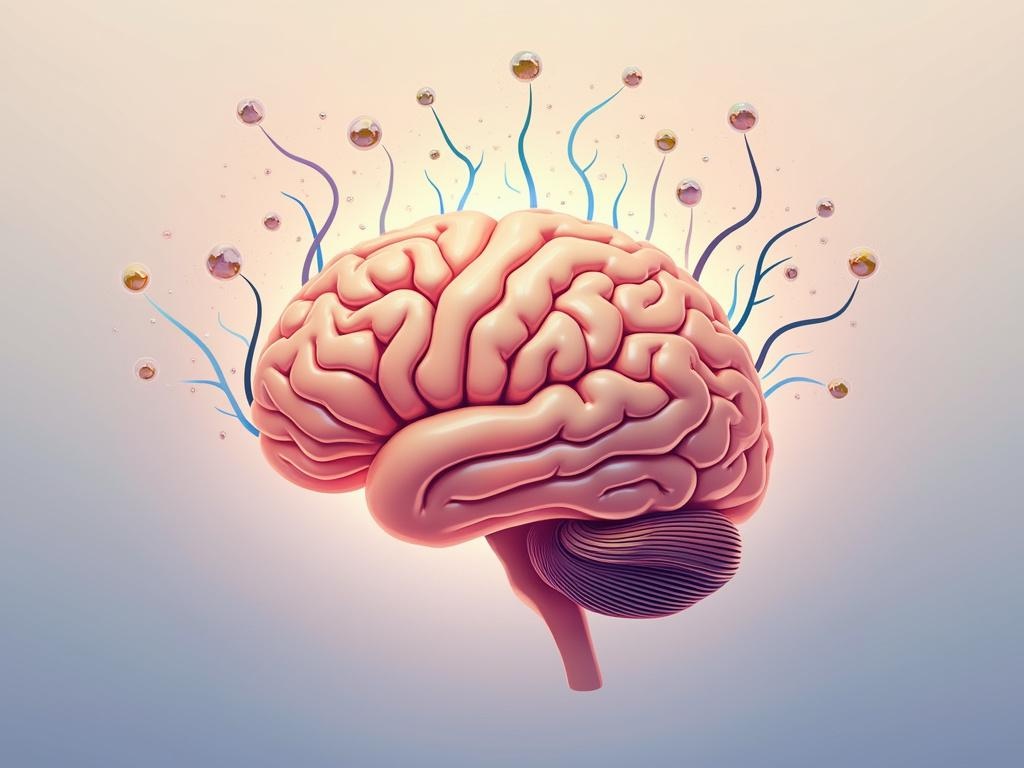
Inflammation and Autism: The Immunomodulatory Impact of Mesenchymal Stem Cells
The Neuroimmune Connection in Autism
The scientific understanding of Autism Spectrum Disorder has evolved dramatically over the past decade, shifting from a purely behavioral interpretation to a more comprehensive biological model. This paradigm shift recognizes that while behavioral symptoms remain the most visible aspects of autism, they often stem from underlying neurobiological differences that affect brain development and function. Researchers have increasingly focused on the role of the immune system in these processes, revealing a complex interplay between immunity, inflammation, and neurological development.
Neuroinflammation—a state of immune activation within the brain and central nervous system—has emerged as a significant factor in autism pathophysiology. Post-mortem studies have revealed increased inflammatory markers in brain tissue from individuals with autism, particularly in regions associated with social behavior, communication, and cognitive function. This chronic inflammatory state can affect neural circuitry development, potentially contributing to the characteristic behavioral patterns observed in autism. The inflammation appears to disrupt the delicate balance of neural pruning and connection formation that occurs during critical developmental periods.
The immune system dysregulation associated with autism extends beyond the brain to involve systemic processes throughout the body. Many individuals with autism show alterations in immune cell function, cytokine production, and inflammatory biomarkers in the bloodstream. These immune abnormalities can include:
- Increased pro-inflammatory cytokines like interleukin-6 (IL-6) and tumor necrosis factor-alpha (TNF-α)
- Decreased levels of anti-inflammatory compounds
- Altered immune cell function and response patterns
- Changes in microglial activity within the brain
This imbalance creates a chronic state of inflammation that may persist throughout development and into adulthood, continuously affecting neurological function.
The relationship between immune function and autism appears bidirectional, with genetic factors potentially predisposing to both immune irregularities and neurological differences. Studies examining family histories have found higher rates of autoimmune disorders in families of children with autism, suggesting shared genetic vulnerability. Additionally, maternal immune activation during pregnancy—triggered by infections or other inflammatory events—has been associated with increased autism risk in offspring. This growing body of evidence points to immune dysfunction as not merely a consequence of autism but potentially a contributing factor in its development.
The gut-brain axis has emerged as another critical component in understanding autism’s inflammatory aspects. Many individuals with autism experience gastrointestinal issues, and research suggests these problems may be linked to immune dysregulation and inflammation. The intestinal microbiome, which plays a vital role in immune system development and regulation, often shows significant differences in composition among people with autism. These gut microbiome alterations may contribute to both gastrointestinal symptoms and systemic inflammation, potentially influencing brain development and function through multiple pathways, including the vagus nerve connection and circulation of inflammatory mediators.
Understanding Autism-Related Inflammation
Chronic inflammation in autism manifests through specific molecular and cellular markers that can be detected in both brain tissue and peripheral systems. Research has identified elevated levels of pro-inflammatory cytokines—signaling proteins that regulate immune responses—in the blood, cerebrospinal fluid, and brain tissue of many individuals with autism. These include interleukin-1β (IL-1β), interleukin-6 (IL-6), and tumor necrosis factor-alpha (TNF-α), potent inflammatory mediators that can alter neural function. Concurrently, studies have found reduced levels of anti-inflammatory compounds that typically help regulate immune responses, creating an imbalance that favors persistent inflammation.
This inflammatory imbalance appears to directly impact brain development and function in several critical ways. Microglia, the brain’s resident immune cells, show increased activation in autism, moving from their normal surveillance state to an inflammatory phenotype that can disrupt neural communication. When chronically activated, these cells release substances that may impair synapse formation and function. The specific impacts include:
- Altered synaptic pruning during critical developmental periods
- Disruption of neural circuit formation and function
- Changes in neurotransmitter signaling and regulation
- Potential impact on myelination processes
Additionally, inflammation can affect the blood-brain barrier’s integrity, potentially allowing peripheral inflammatory molecules to enter the central nervous system. The timing of these inflammatory processes appears particularly significant, with early developmental periods showing heightened vulnerability to inflammatory disruption.
The relationship between gut health and brain inflammation represents one of the most fascinating developments in autism research. The gastrointestinal tract houses approximately 70% of the body’s immune cells and maintains a complex ecosystem of microorganisms collectively known as the microbiome. Studies have documented distinct differences in the gut microbiome composition of many individuals with autism, with potential implications for immune function. Certain bacterial populations can produce metabolites that either promote or reduce inflammation, potentially affecting the brain through multiple pathways. Additionally, increased intestinal permeability—sometimes called “leaky gut”—may allow bacterial products and inflammatory molecules to enter systemic circulation, potentially contributing to neuroinflammation.
Environmental factors appear to play a significant role in triggering or exacerbating inflammation in genetically susceptible individuals. Prenatal exposures to infections, pollutants, or maternal immune activation can program lasting changes in immune function that may increase autism risk. After birth, factors such as recurrent infections, food sensitivities, environmental toxins, and chronic stress may sustain inflammatory responses. These environmental influences interact with genetic predispositions, potentially explaining why identical genetic mutations can lead to different outcomes in different individuals. This complex interplay between genes and environment creates a personalized inflammatory profile that may influence the presentation and severity of autism symptoms.
The clinical implications of inflammation in autism extend beyond core behavioral symptoms to affect multiple body systems. Sleep disturbances, which affect up to 80% of children with autism, may be partially mediated by inflammatory processes that disrupt circadian rhythms and sleep regulation. Heightened anxiety and irritability, common in autism, can be exacerbated by inflammatory signals that affect emotional processing centers in the brain. Sensory sensitivities, another hallmark of autism, may be influenced by inflammation-induced changes in neural excitation and inhibition balances. Understanding these broader effects of inflammation provides additional targets for therapeutic intervention and highlights the need for comprehensive approaches that address both brain and body systems.
Challenges of Traditional Autism Treatments
Conventional approaches to autism management have predominantly focused on behavioral interventions and symptomatic treatments rather than addressing underlying biological mechanisms. Applied Behavior Analysis (ABA), speech therapy, occupational therapy, and social skills training form the foundation of traditional autism care, helping individuals develop functional skills and adaptive behaviors. While these approaches are valuable for skill acquisition and symptom management, they generally do not address the biological underpinnings of autism, including the inflammatory processes that may contribute to the condition. This fundamental limitation has sparked interest in complementary approaches that target physiological aspects of autism.
Pharmacological interventions for autism have primarily aimed at managing specific behavioral symptoms rather than addressing core features or underlying causes. The FDA has approved only two medications specifically for autism—risperidone and aripiprazole—both antipsychotics indicated for treating irritability and aggression. Other commonly prescribed medications include:
- Stimulants for attention issues and hyperactivity
- Antidepressants for anxiety and repetitive behaviors
- Anticonvulsants for seizures or mood stabilization
- Sleep medications for insomnia and sleep disturbances
However, these medications often come with significant side effects, including weight gain, metabolic changes, sedation, and in some cases, potential long-term health risks. Furthermore, they generally do not address the inflammatory components that may drive autism pathophysiology.
The inherent heterogeneity of autism presents substantial challenges for developing universally effective treatments. Autism manifests differently in each individual, with varying symptom profiles, comorbidities, and underlying biological factors. This diversity means that treatments beneficial for one person may prove ineffective or even counterproductive for another. Traditional approaches often lack the personalization necessary to address this heterogeneity, instead offering standardized protocols that may not account for individual biological differences. This “one-size-fits-all” approach fails to consider the unique inflammatory profiles, genetic factors, and environmental influences that shape each person’s condition.
Many conventional autism treatments focus on managing observable behaviors rather than addressing the root causes of these behaviors. While behavioral symptoms represent the most visible aspects of autism, they often stem from underlying neurological differences that may be influenced by inflammatory processes. By focusing exclusively on behavior modification without addressing these underlying mechanisms, traditional treatments may provide temporary symptom relief without facilitating deeper neurological changes. This limitation has led families and clinicians to seek more comprehensive approaches that can address both behavioral manifestations and their biological foundations.
The gap between emerging scientific understanding and clinical practice presents another significant challenge in autism treatment. While research increasingly points to the role of immune dysfunction and inflammation in autism, these insights have been slow to translate into mainstream clinical approaches. Traditional treatment models often operate within established paradigms that may not incorporate the latest scientific developments. This disconnect leaves many families seeking alternative or complementary approaches that align more closely with current biological understandings of autism, including therapies that target inflammatory processes and immune function. The growing recognition of these limitations has driven interest in regenerative medicine approaches, such as mesenchymal stem cell therapy, which may address the biological underpinnings of autism more directly.
Mesenchymal Stem Cells as an Innovative Solution
Mesenchymal stem cells (MSCs) represent a groundbreaking approach to addressing the inflammatory components of autism through their unique immunomodulatory properties. Unlike conventional treatments that target behaviors or symptoms, MSCs work at the cellular level to potentially rebalance dysregulated immune responses. These specialized cells secrete a diverse array of anti-inflammatory cytokines, growth factors, and regulatory molecules that can dampen excessive inflammation while promoting tissue repair. In the context of autism, MSCs may help normalize the inflammatory environment in the brain and throughout the body, potentially addressing a fundamental biological component of the condition rather than merely managing its outward manifestations.
The immunomodulatory mechanisms of MSCs are remarkably sophisticated, involving multiple pathways that collectively shift the immune environment from pro-inflammatory to regulatory states. When introduced into the body, these cells can:
- Reduce levels of pro-inflammatory cytokines like TNF-α, IL-1β, and IL-6
- Increase production of anti-inflammatory mediators such as IL-10 and TGF-β
- Modulate T-cell responses away from inflammatory subtypes
- Influence macrophage polarization toward anti-inflammatory phenotypes
- Inhibit microglial activation in the central nervous system
These effects occur through both direct cell-to-cell contact and the secretion of bioactive compounds, creating a comprehensive immunomodulatory effect that addresses multiple aspects of immune dysregulation simultaneously.
Wharton’s jelly-derived MSCs, harvested from umbilical cord tissue, offer distinct advantages for treating neuroinflammatory conditions like autism. These cells represent a youthful, potent source of MSCs with enhanced proliferative capacity and immunomodulatory properties compared to adult-derived stem cells. Their extraction from typically discarded umbilical cords after healthy births presents minimal ethical concerns while providing a renewable source of high-quality cells. Wharton’s jelly MSCs show particular promise for neurological applications due to their neural differentiation potential and robust production of neurotrophic factors that support brain health. Their natural ability to cross the blood-brain barrier makes them especially suitable for targeting neuroinflammation, a key concern in autism spectrum disorder.
Beyond immune modulation, MSCs demonstrate remarkable neuroprotective and neurotrophic effects that may benefit individuals with autism. These cells secrete brain-derived neurotrophic factor (BDNF), nerve growth factor (NGF), and other compounds that support neuronal health and function. These factors can promote:
- Enhanced synapse formation and neural connectivity
- Support for neural circuits involved in social communication
- Protection against oxidative stress and cellular damage
- Facilitation of neural repair and plasticity mechanisms
By creating a more supportive neural environment, MSCs may help optimize brain function and development, potentially improving core autism features over time.
The application of MSC therapy for autism represents a shift from symptomatic management to addressing underlying biological dysregulation. While behavioral therapies and medications play important roles in autism care, they generally do not address the inflammatory and immune components that may drive the condition. MSC therapy offers a complementary approach that targets these biological factors, potentially enhancing the effectiveness of traditional interventions. By reducing neuroinflammation and supporting neural health, MSCs may create a more receptive biological environment for behavioral learning and development. This holistic approach recognizes that optimal outcomes likely require addressing both the biological foundations and behavioral manifestations of autism.
Research and Evidence
The scientific investigation of mesenchymal stem cells for autism has progressed significantly in recent years, with multiple clinical studies demonstrating promising results. Research efforts have focused on evaluating both safety and effectiveness, with initial findings supporting the potential of MSC therapy as a novel approach for addressing the biological components of autism. Early clinical trials have demonstrated favorable safety profiles, with minimal adverse events reported across multiple studies. These safety findings are particularly important given the vulnerability of the autism population and the need for interventions that do not introduce additional health risks or challenges. The growing body of research provides a scientific foundation for considering MSC therapy as a complementary approach to traditional autism interventions.
Several published studies have documented improvements in core autism symptoms following MSC treatment. A notable study published in Stem Cells Translational Medicine reported improvements in social communication, repetitive behaviors, and overall autism severity following MSC infusions, with effects persisting during the follow-up period. Another study in the Journal of Translational Medicine observed significant improvements in communication, social interaction, and stereotyped behaviors in children who received umbilical cord blood-derived cells. The specific improvements documented in these studies include:
- Enhanced verbal and non-verbal communication skills
- Improved social engagement and reciprocity
- Reduced repetitive behaviors and restricted interests
- Better emotional regulation and reduced irritability
These findings align with the proposed mechanisms of MSCs in reducing neuroinflammation and supporting neural function, suggesting that addressing these biological factors may translate to functional improvements in everyday life.
Researchers have identified several factors that may influence individual responses to MSC therapy for autism. Age appears to be a significant variable, with younger children generally showing more pronounced improvements, possibly due to greater neural plasticity during early developmental periods. The severity and specific presentation of autism symptoms also appear to influence outcomes, with some studies suggesting differential responses based on baseline characteristics. Additionally, the administration protocol—including dosage, frequency, and delivery method—may impact results. These variables highlight the importance of individualized approaches and careful patient selection when considering MSC therapy for autism. The research underscores that while MSC therapy shows promise, responses may vary based on individual factors.
Objective biomarkers provide compelling evidence for the biological effects of MSC therapy in autism. Several studies have documented changes in inflammatory markers following treatment, including decreased levels of pro-inflammatory cytokines and increased anti-inflammatory compounds. Some research has also reported normalization of immune cell populations and function, supporting the immunomodulatory mechanisms of MSCs. Neuroimaging studies have begun to explore structural and functional brain changes following MSC therapy, with preliminary findings suggesting improvements in connectivity patterns and metabolism in regions associated with social cognition and communication. These biological markers provide objective evidence of MSC effects beyond subjective behavioral assessments.
While research results are encouraging, the scientific community acknowledges the need for larger, more rigorous studies to fully establish the role of MSC therapy in autism care. Current limitations include:
- Relatively small sample sizes in many studies
- Variability in protocols across research centers
- The need for longer follow-up periods to assess durability of effects
- Challenges in controlling for placebo effects and observer bias
Ongoing research aims to address these gaps through multi-center trials with standardized protocols and comprehensive outcome measures. The field continues to evolve rapidly, with new studies exploring optimal dosing regimens, administration routes, and potential biomarkers to predict treatment response. As research progresses, our understanding of how MSC therapy can best serve individuals with autism will continue to expand and refine.
Comprehensive Treatment Approach
An effective approach to autism management increasingly recognizes the value of combining innovative biological treatments with established behavioral and educational interventions. Mesenchymal stem cell therapy can serve as one component of a comprehensive treatment strategy that addresses both the underlying inflammatory processes and the behavioral manifestations of autism. This integrated approach acknowledges that while MSCs may help normalize biological imbalances, individuals with autism still benefit from structured supports that help develop communication, social, and adaptive skills. By combining these approaches, families may achieve more substantial and sustainable improvements than would be possible with either approach alone.
The timing and sequencing of different interventions play important roles in optimizing outcomes. Addressing inflammatory processes through MSC therapy may create a more receptive biological environment for learning and development, potentially enhancing the effectiveness of behavioral interventions. Key considerations in developing a comprehensive treatment plan include:
- Assessing the individual’s specific inflammatory profile and symptom presentation
- Identifying appropriate timing for biological and behavioral interventions
- Ensuring coordination between medical and therapeutic providers
- Establishing meaningful outcome measures across multiple domains
This thoughtful integration of approaches recognizes that autism’s complex nature requires multifaceted solutions tailored to individual needs.
Specialized medical facilities like the Stem Cell Medical Center in Antigua play a crucial role in providing advanced biological treatments within a comprehensive care framework. These centers combine scientific expertise in regenerative medicine with clinical experience in complex neurological conditions. The center features state-of-the-art facilities including ISO 14644-1 certified cleanrooms for cell processing and advanced flow cytometry technology for quality control. These specialized resources ensure the highest standards in cell preparation and verification, critical factors in treatment effectiveness. By focusing exclusively on regenerative medicine approaches, these facilities develop particular expertise that contributes to optimal treatment outcomes while maintaining rigorous safety standards.
The long-term management of autism extends beyond isolated interventions to encompass ongoing support and monitoring. Following mesenchymal stem cell therapy, individuals benefit from continued assessment to track biological and behavioral changes over time. This monitoring may include regular evaluation of inflammatory markers, immune function, and behavioral assessments to document progress and guide further interventions. Additionally, families benefit from education about supporting optimal immune function through lifestyle factors such as nutrition, sleep, stress management, and environmental considerations. This holistic approach recognizes that creating and maintaining a healthy internal environment supports both the effectiveness of MSC therapy and overall well-being.
Family engagement and support represent essential components of successful autism management. Parents and caregivers play crucial roles in reinforcing therapeutic gains, implementing home-based strategies, and providing consistent support. Effective treatment programs provide families with education about both the biological aspects of autism and practical strategies for everyday management. Support groups, parent training programs, and regular consultation with healthcare providers help families navigate the challenges of autism while implementing effective interventions. By empowering families with knowledge and skills, comprehensive treatment approaches extend beyond clinical settings to enhance quality of life in home and community environments.
Frequently Asked Questions (FAQs)
How do mesenchymal stem cells specifically target inflammation in the brain when administered systemically?
Mesenchymal stem cells possess a remarkable ability called “homing,” which allows them to migrate to areas of inflammation throughout the body, including the brain. When administered intravenously, these cells respond to inflammatory signals and chemical gradients, crossing the blood-brain barrier to reach inflamed neural tissues. Once there, they release anti-inflammatory compounds, growth factors, and exosomes that help modulate local immune responses and reduce neuroinflammation. This targeted approach allows systemically administered MSCs to address inflammation specifically where it’s occurring rather than broadly suppressing immune function throughout the body.
How long do the anti-inflammatory effects of mesenchymal stem cell therapy typically last in autism patients?
The duration of anti-inflammatory effects varies between individuals and depends on multiple factors including age, severity of inflammation, and underlying genetic factors. While the stem cells themselves may remain active for several weeks to months, their beneficial effects can persist much longer through the cascades they initiate. Many families report observing continued improvements over time as the rebalanced immune environment supports healthier brain function. The center’s medical team monitors inflammatory markers and clinical symptoms to assess the durability of treatment effects and determine if additional interventions might be beneficial.
What specific improvements might be observed in children with autism following MSC therapy?
While responses vary between individuals, common areas of improvement following MSC therapy include enhanced communication abilities (both verbal and non-verbal), increased social engagement, improved eye contact, reduced repetitive behaviors, and better emotional regulation. Some families also report improvements in sleep patterns, gastrointestinal function, and sensory processing. These changes typically emerge gradually over time rather than immediately following treatment. The center uses standardized assessment tools to document these changes objectively, while also considering family observations of functional improvements in daily life activities.
How do you determine if a person with autism might benefit from mesenchymal stem cell therapy?
The assessment process involves a comprehensive evaluation of the individual’s medical history, current symptoms, previous treatments, and when possible, inflammatory biomarkers. Factors that may suggest potential benefit include signs of immune dysregulation, inflammatory conditions, or gastrointestinal issues alongside autism symptoms. The medical team reviews this information to determine if MSC therapy might address underlying biological factors in each specific case. This personalized approach recognizes that autism’s heterogeneity requires individualized treatment decisions rather than universal recommendations.
Can mesenchymal stem cell therapy be combined with other treatments for autism?
Yes, MSC therapy is typically most effective when integrated with other evidence-based interventions rather than used in isolation. Many families continue behavioral therapies such as Applied Behavior Analysis (ABA), speech therapy, and occupational therapy alongside MSC treatment. Nutritional approaches that support immune health and gut function can also complement the anti-inflammatory effects of MSCs. The center’s medical team works with families to develop integrated treatment plans that address both biological factors and behavioral symptoms, often coordinating with the individual’s existing healthcare providers to ensure cohesive care.
For more information or to schedule a consultation, contact the Stem Cell Medical Center at 1-352-320-2688 (US) or 1-268-720-7070 (Antigua). Visit www.stemcellmedicalcenter.com to learn more about treatments available at their facility on Friars Hill Road, St John’s, Antigua.
Could stem cells change your life?
Contact us and schedule a consultation to see if you may benefit from regenerative treatments. Stem cell therapy could alleviate your pain and help you regain mobility.